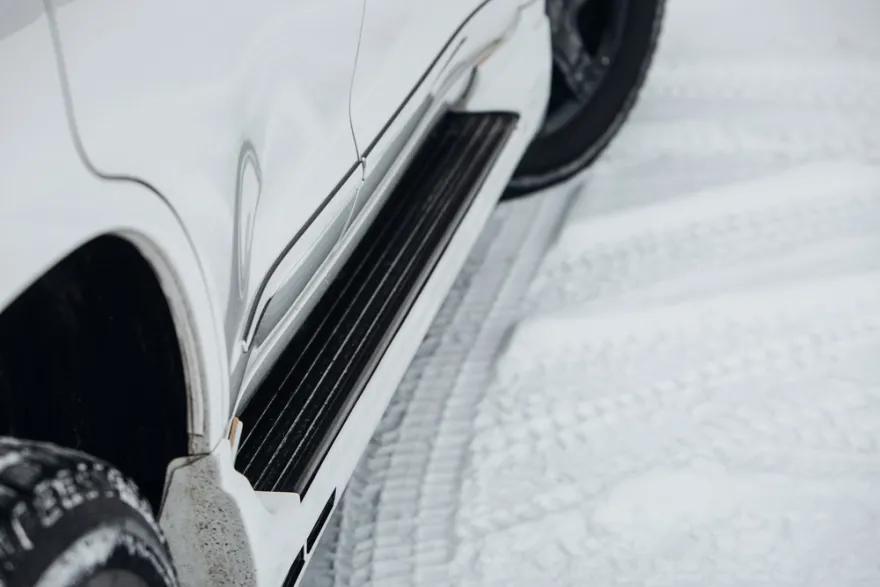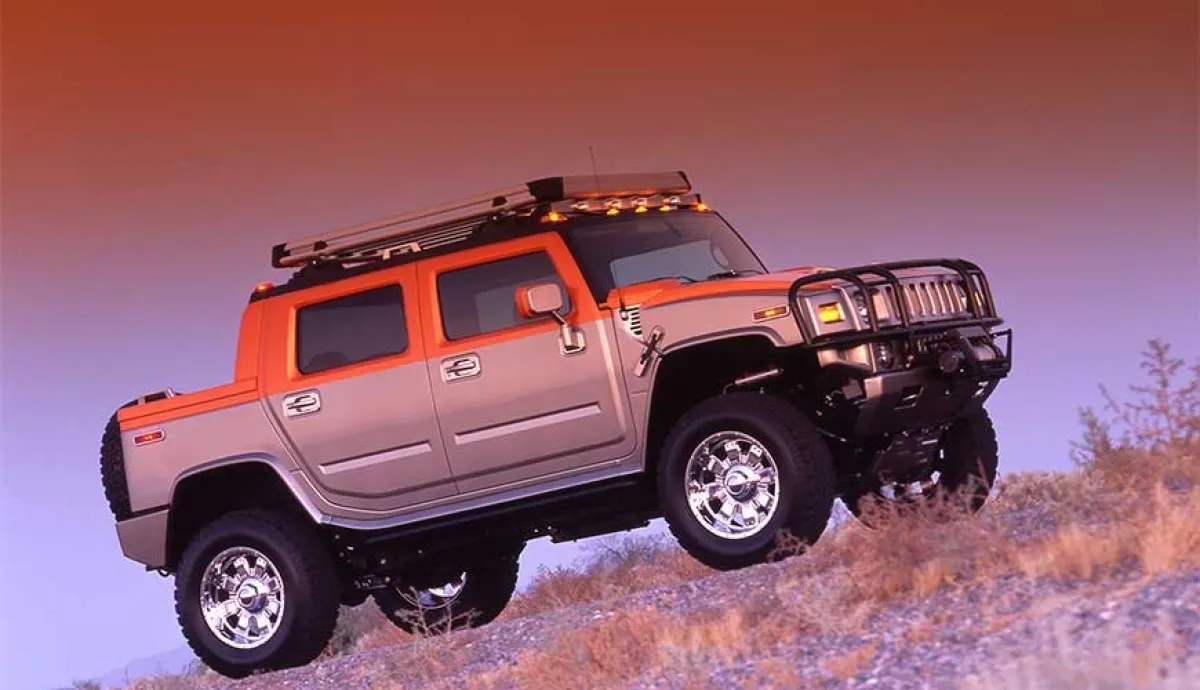
Automotive aftermarket parts have long been involved in helping consumers customize and enhance their vehicles. This trend continues growing as people seek additional accessories to support personal interests, aesthetic preferences, and vehicle function while maintaining value and performance for their pick-up trucks and SUVs.
Historically, metal has been used to manufacture parts such as running boards, side steps, bed extenders, and mounting kits (levers, brackets). However, growing demand for production and processing efficiency, as well as lightweight high-performance parts, is leading automotive aftermarket designers to explore metal alternatives.
Long fiber thermoplastics (LFT), also known as long fiber reinforced thermoplastics (LFRT), are revolutionizing the industry by replacing metal and other underperforming polymers. These injection-molded materials combine high levels of stiffness, strength, and toughness, allowing for innovative parts and designs. Using these composites can help original equipment manufacturers (OEMs) increase product performance, reduce processing steps, and meet the specific needs of the applications and automotive enthusiasts:
- Less weight
- Reliable strength and stiffness
- Resist corrosion or rusting
- Attractive and durable finishes
- Fewer secondary processes and faster cycle times
Below are two real-world examples to demonstrate the benefits of converting to long fiber composites in very practical terms. Each case study summary defines the application requirements and explains how Avient supported the aftermarket part manufacturers through material technologies and expertise in computer-aided engineering (CAE) modeling simulations to validate the design and performance of two aftermarket structural parts.